dietary management of phenylketonuria Knowledge, views and patterns of dietary management in adults living
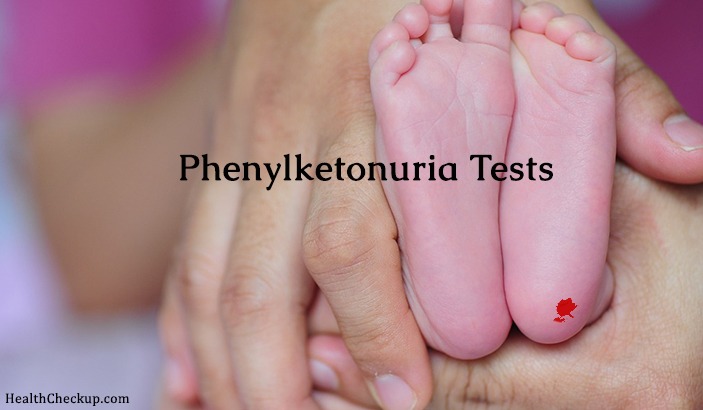
Phenylketonuria (PKU) PKU or Phenylketonuria is a rare genetic disorder that affects one in every 10,000 to 15,000 newborn babies. It is caused by mutations in the gene that produces phenylalanine hydroxylase, an enzyme that is required to metabolize phenylalanine into tyrosine in the liver. As a result, phenylalanine accumulates in the blood and brain, causing intellectual disability, delayed development, seizures, behavioral problems, and other health complications. While there is no cure for PKU, there are several treatment and dietary management strategies that can help prevent or mitigate its symptoms and consequences. Treatment The most effective treatment for PKU is early detection and intervention. Newborn babies are routinely screened for PKU within the first few days of life by performing a simple blood test that measures the level of phenylalanine in their blood. If the test results indicate high levels of phenylalanine, further testing and evaluation are done to confirm the diagnosis. Once diagnosed, babies with PKU are started on a special formula that is low in phenylalanine and high in other essential nutrients, such as protein, vitamins, and minerals. This formula is essential to help the baby grow and develop normally, while also preventing the accumulation of phenylalanine in the blood and brain. As the baby grows older, the dietary management becomes more complex and individualized, depending on the severity of the PKU and other factors, such as age, weight, gender, activity level, and overall health. Some common dietary management strategies for PKU include: - Restricting the intake of phenylalanine by avoiding high-protein foods, such as meat, fish, dairy, eggs, nuts, and legumes, and consuming specialized low-protein, low-phenylalanine foods, such as fruits, vegetables, grains, and certain supplements. - Monitoring the blood phenylalanine levels regularly by performing blood tests and adjusting the dietary intake accordingly to maintain the optimal levels that are safe and effective for each individual. - Supplementing the diet with tyrosine, a non-essential amino acid that is derived from phenylalanine, but can also be obtained from some foods and supplements. Tyrosine is necessary for the production of several important brain chemicals, such as dopamine, norepinephrine, and epinephrine, which affect mood, behavior, and cognition. - Considering other treatments, such as enzyme replacement therapy, gene therapy, or pharmacological interventions that target the underlying metabolic pathway of PKU, but are still experimental and not widely available at this time. Dietary Management The key to successful dietary management of PKU is the careful planning and preparation of meals and snacks that are low in phenylalanine, but still provide adequate nutrition and taste good. This can be challenging, especially for children and teenagers who may feel left out or limited in their food choices. However, with proper education, support, and creativity, it is possible to enjoy a variety of delicious and healthy foods that are PKU-friendly. Some tips for PKU dietary management include: - Working with a registered dietitian or nutritionist who specializes in PKU to develop a personalized meal plan that meets the individual needs and preferences of each person with PKU. - Learning how to read food labels and calculate the phenylalanine content of each food item, as well as using specialized apps and websites that provide PKU-friendly recipes and food recommendations. - Using specialized low-protein, low-phenylalanine food products that are designed specifically for PKU, such as pasta, bread, crackers, and cookies. Some of these products are available online or in a specialty store, while others may require a prescription or approval from a medical professional. - Encouraging regular physical activity and exercise, which can help improve mood, reduce stress, and promote overall health and well-being. However, it is important to monitor the blood phenylalanine levels before and after exercise, and adjust the dietary intake accordingly to avoid any negative effects. - Building a supportive community of family, friends, and peers who can provide emotional and social support, as well as share experiences, tips, and recipes that work well for PKU. Conclusion Phenylketonuria (PKU) is a complex and challenging condition that requires lifelong management and care. However, with proper treatment and dietary management, people with PKU can lead happy, healthy, and fulfilling lives, and achieve their full potential. If you or someone you know has PKU, please seek medical and nutritional advice from qualified professionals, and never hesitate to ask for help or support when needed.
If you are looking for Phenylketonuria (PKU)- Treatment, Prevention, Dietary management you’ve visit to the right web. We have 5 Pics about Phenylketonuria (PKU)- Treatment, Prevention, Dietary management like Phenylketonuria (PKU)- Treatment, Prevention, Dietary management, Phenylketonuria (PKU) - The Dietary Management on Different Levels and also Phenylketonuria (PKU) - The Dietary Management on Different Levels. Here you go:
Phenylketonuria (PKU)- Treatment, Prevention, Dietary Management
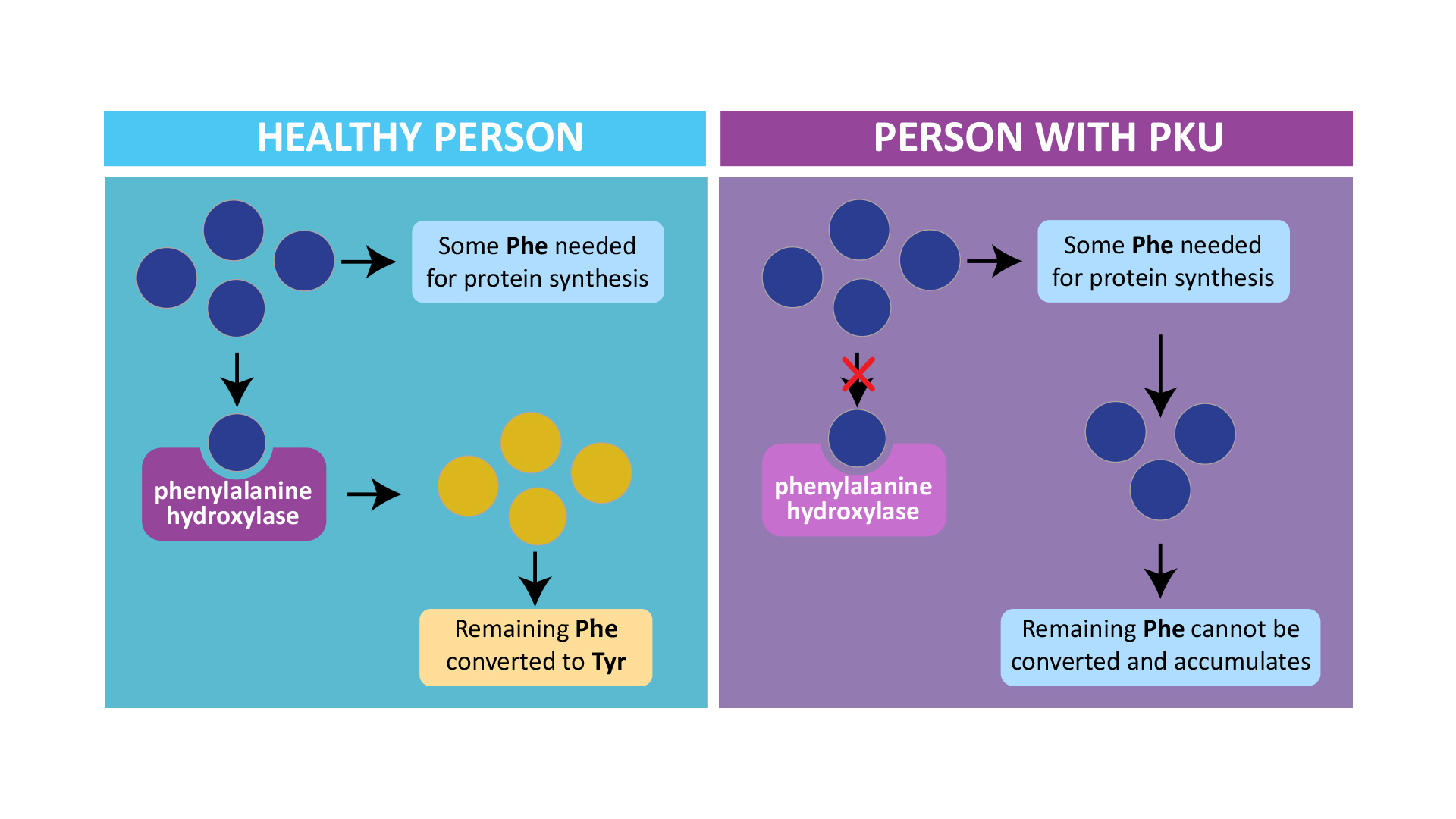 www.nutritionfact.inpku phenylketonuria management treatment facts prevention dietary nutrition sravani september posted
Knowledge, Views And Patterns Of Dietary Management In Adults Living
 www.surveymonkey.co.ukTHE DIETARY MANAGEMENT OF PHENYLKETONURIA BY ANITA
 www.yumpu.comPhenylketonuria (PKU) - The Dietary Management On Different Levels
 www.thezbfoundation.comPin On Mila
 www.pinterest.comphenylketonuria nurseslabs pku disorders hydroxylase phenylalanine pediatrics
Pin on mila. Pku phenylketonuria management treatment facts prevention dietary nutrition sravani september posted. Phenylketonuria nurseslabs pku disorders hydroxylase phenylalanine pediatrics